
Why Gravel Is Essential for Strong, Long-Lasting Construction
Gravel is one of the most widely used materials in construction because it provides stability, supports drainage, and helps create durable surfaces for a variety of projects. From residential driveways and walkways to commercial foundations and large-scale infrastructure, this versatile material plays an important role in preparing sites and supporting finished structures. Choosing the appropriate aggregate can influence how well a project handles changing weather, regular traffic, and long-term ground movement. Working with a knowledgeable landscape material supplier also helps property owners and contractors identify materials that suit their specific construction requirements.
Improving Ground Stability and Load Support
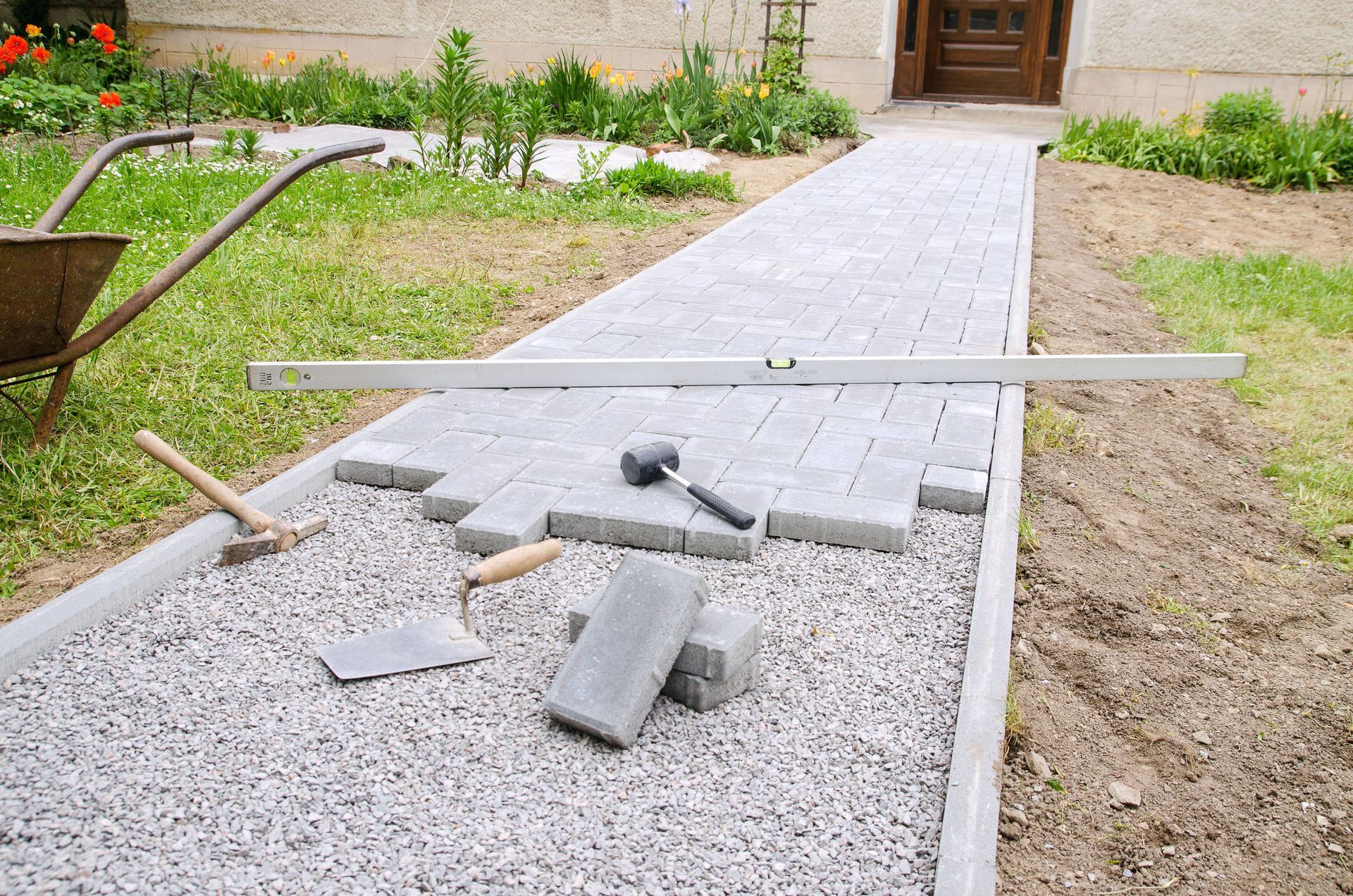
A stable base is essential for construction projects that must withstand repeated use and changing environmental conditions. Gravel can help distribute weight across prepared ground, reducing concentrated pressure on individual areas. When the material is placed in suitable layers and compacted correctly, it creates a supportive foundation for driveways, patios, walkways, and other surfaces. This support becomes particularly important in locations exposed to vehicle traffic or heavy equipment. Without proper base preparation, finished surfaces may develop uneven areas, depressions, or cracks as the ground shifts beneath them. The appropriate gravel gradation and layer thickness depend on soil conditions, expected loads, drainage requirements, and engineering specifications. Contractors can consult a landscape material supplier to determine which aggregates are suitable for the intended application. Combining appropriate material selection with professional site preparation helps create surfaces that remain functional through regular use.
Supporting Drainage and Managing Moisture
Water management is another important reason gravel is widely used in construction. Unlike many solid surface materials, properly selected and installed gravel can create spaces that allow water to move through the aggregate layer. This characteristic makes it useful for drainage beds, foundation drainage systems, trench backfill, and other applications where water movement must be considered. Effective drainage can help reduce standing water around structures and limit the accumulation of moisture in vulnerable areas. However, gravel does not automatically solve every drainage problem because soil permeability, slope, groundwater conditions, and outlet placement also influence performance. Some projects require drainage pipes, filter fabrics, or additional measures to prevent soil particles from clogging the aggregate. A landscape material supplier can explain differences between drainage stone and other gravel products, helping customers select materials that align with their project plans. Proper installation remains essential to achieving the intended drainage benefits.
Enhancing Driveways and Access Roads
Gravel is a practical choice for constructing driveways and access roads because it provides a durable surface when properly installed and maintained. It can accommodate everyday vehicle movement while offering flexibility for properties where asphalt or concrete may not be necessary. Different gravel sizes serve different purposes, with larger aggregate often used for foundational layers and smaller stone used to create a more uniform driving surface. Proper grading helps establish an even profile and encourages water to drain away from the traveled area. Contractors should also consider the frequency of use, vehicle weight, soil stability, and local weather conditions before choosing materials. For property owners planning these improvements, a landscape material supplier can provide guidance on selecting aggregate suitable for the intended traffic and surface requirements. Gravel driveways may require periodic grading, replenishment, and weed management to maintain their appearance and performance. With appropriate preparation and ongoing care, gravel can offer a functional solution for residential properties, rural access routes, and selected commercial applications.
Creating Reliable Foundations for Outdoor Structures
Many outdoor construction projects depend on a properly prepared base to support the finished structure. Sheds, patios, retaining wall systems, and other installations may require aggregate layers to improve ground preparation and support drainage. Gravel can help create a more uniform working surface, making it easier for contractors to establish the required elevations before construction begins. Its performance depends on selecting the correct aggregate, preparing the underlying soil, and compacting the material according to project specifications. Poor preparation can allow the base to settle unevenly, potentially affecting the stability of the structure above it. Construction plans should account for soil characteristics, anticipated loads, and any applicable building requirements. A landscape material supplier can help homeowners and contractors identify aggregate options that match their plans and site conditions. Careful material selection and installation provide an important starting point for outdoor structures that must remain stable through changing seasons.
Choosing the Appropriate Gravel Size and Type
Not all gravel products perform the same way, so selecting the right type is an important part of construction planning. Coarse aggregates can provide drainage and foundational support, while smaller materials may help create smoother surfaces or fill spaces between larger particles. Angular crushed stone generally interlocks more effectively than rounded stone when compaction and surface stability are priorities. Rounded gravel, meanwhile, can be appropriate for decorative applications and certain drainage uses where its characteristics meet the project requirements. The correct choice also depends on whether the material will remain exposed, sit beneath another surface, or support a specific structural application. Contractors should review product specifications rather than choosing aggregate based only on appearance or price. Comparing available options through a landscape material supplier can clarify differences in size, composition, and intended use. Making this decision before ordering helps reduce waste, limit unnecessary material changes, and keep construction moving according to plan.
Reducing Construction Delays and Material Waste
Construction schedules depend on having the right materials available when each stage of work begins. Gravel is frequently used during early site preparation, so shortages or unsuitable deliveries can delay grading, drainage installation, and foundation work. Estimating the required quantity before ordering helps contractors coordinate deliveries with equipment availability and labor schedules. Measurements should account for the length, width, and planned depth of the area, along with any expected compaction or site adjustments. Ordering too little can lead to additional delivery costs, while ordering too much may create storage challenges and unnecessary expenses. Contractors should also consider where aggregate will be unloaded and whether equipment can access the delivery location safely. Working with New England Landscape Supply can help customers discuss their aggregate needs and plan purchases around their project requirements. Organized material planning supports a smoother workflow and helps prevent avoidable interruptions during construction.
Balancing Durability With Long-Term Maintenance
The durability of a gravel installation depends on more than the strength of the individual stones. Ground preparation, drainage, compaction, traffic levels, and routine maintenance all influence how the surface performs over time. Gravel may shift under repeated vehicle movement, while rainfall can wash material away from poorly graded areas. Periodic inspections help identify ruts, erosion, low spots, and drainage problems before they become more difficult to correct. Adding replacement material and restoring the proper grade can help maintain a consistent surface. Projects involving heavier loads may require engineered base layers or additional stabilization measures beyond ordinary gravel placement. Property owners should consider maintenance requirements when evaluating the overall cost of a proposed installation. By selecting suitable materials and establishing a realistic upkeep schedule, construction teams can help preserve the usefulness of gravel surfaces over the long term.
Considering Gravel in Modern Construction Demand
Gravel continues to serve a wide range of construction needs, from building foundations and road bases to drainage systems and outdoor improvements. Its versatility makes it relevant to residential, commercial, and infrastructure projects that require dependable aggregate materials. According to Coherent Market Insights, sand and gravel products are projected to represent 42.7% of the global construction aggregates market in 2026, reflecting their substantial role in construction material demand. This market share projection highlights the importance of these materials across a broad range of building and development activities. However, aggregate requirements vary according to local construction practices, project designs, and environmental conditions. Contractors must evaluate individual specifications rather than assuming that one gravel product will suit every application.
New England Landscape Supply is a resource for customers planning construction and outdoor improvement projects that require gravel and other landscape materials. Contact New England Landscape Supply to discuss your project requirements, explore available aggregate options, and find suitable materials for your next construction job.
Share On: